
Find what you need
Browse by theme
- Community Voices and Stories
- Creative Work and Exhibitions
- Education and Young People
- Get Involved
- Health and Wellbeing
- Heritage, History and Culture
- PGT News, Projects and Partnerships
- Planning, Housing and Sites
- Research, Policy and Systems Change
- Rights, Racism and Justice
Browse by year
Year: 2026
-
Not Just a Toolkit: Taking Gypsy & Traveller Experiences Into Different Rooms
A small crisis-planning commission gave us a chance to take Gypsy & Traveller experiences into different conversations about power, planning, identity and systems — and potentially build new allies.
-
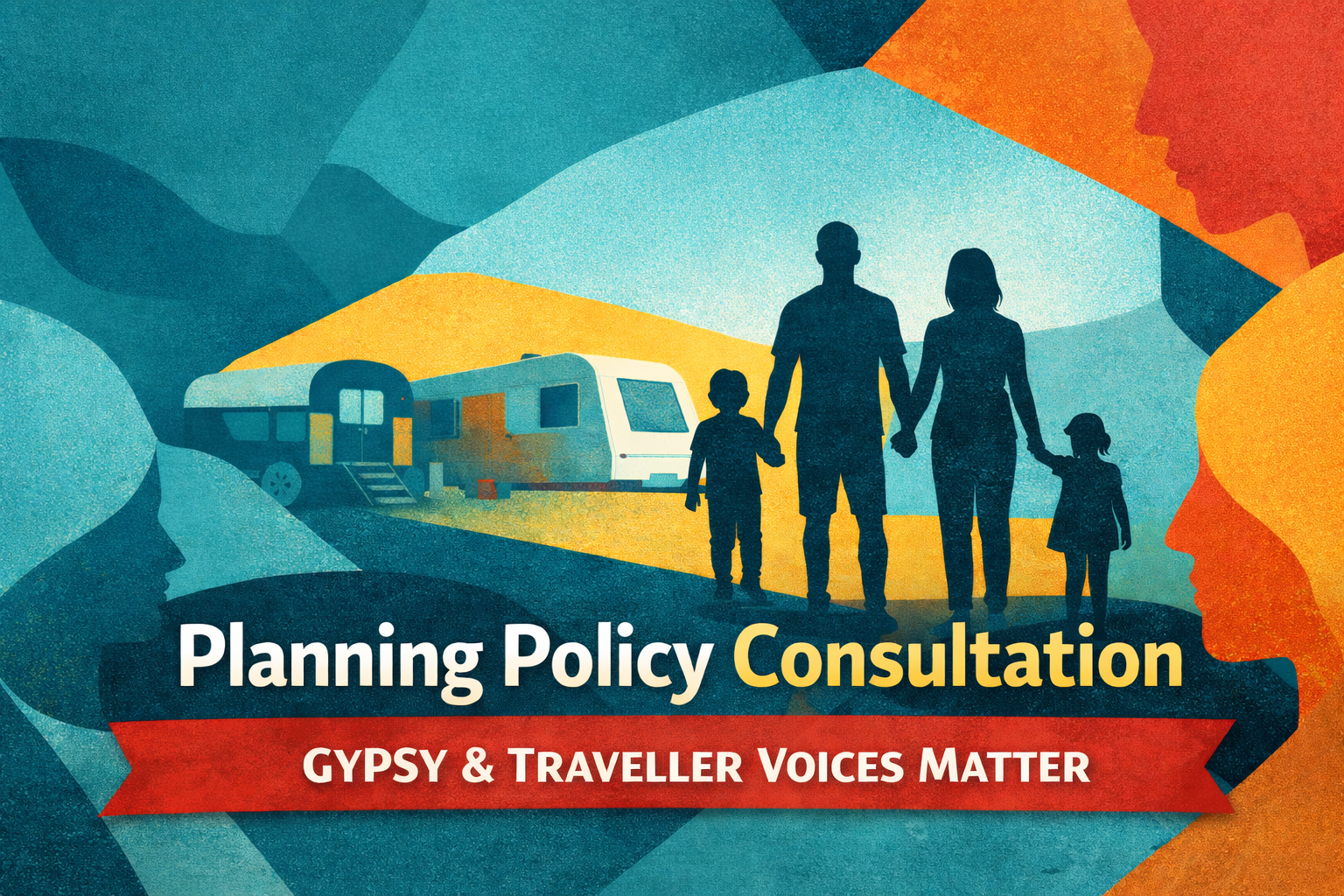
Planning Policy is Being Rewritten. Gypsy & Traveller Voices Must Be Heard.
Right now, the Government is consulting on changes to the National Planning Policy Framework (NPPF). That might sound technical, but the reality is simple: Planning policy decides whether Gypsy and Traveller families can have a lawful place to live. For decades our communities have been caught in a cycle: • there are not enough authorised…
-
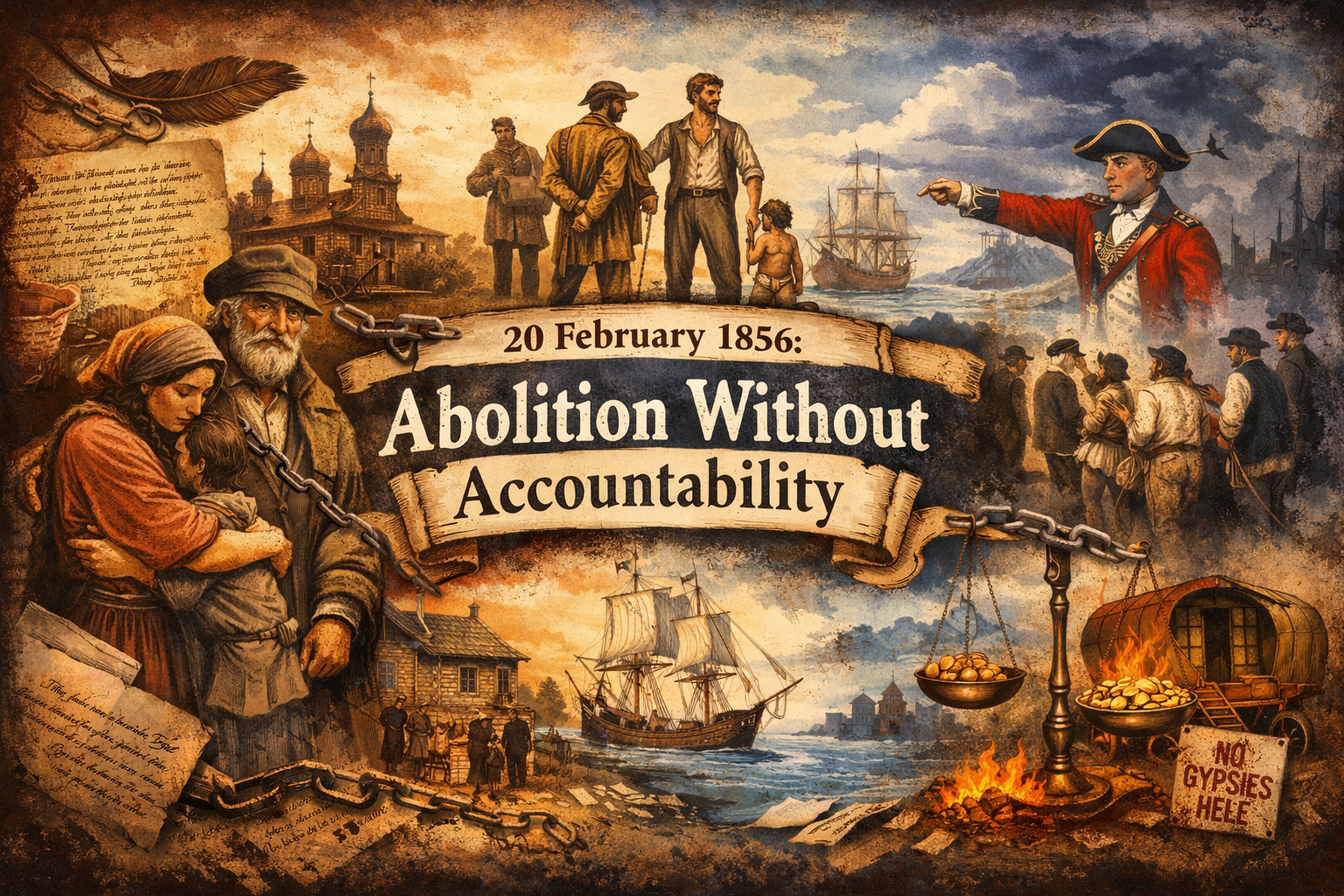
20 February 1856: Abolition Without Accountability
20 February 1856.In the Romanian Principalities of Wallachia and Moldavia, nearly 500 years of enslavement formally ended. Between 1385 and 1856, Romani people were legally treated as property. They were owned by monasteries, noble families and the state. They were sold. They were inherited. They were separated from their children. Their labour sustained estates, institutions…
-
No Man’s Land” — and the Stories We Were Told
I was told my whole life that I was English. English Gypsy. It wasn’t said harshly. It wasn’t said defensively. It was simply offered as fact, the way families hand down recipes or habits or certain turns of phrase. It was part of who we were. We were English. And yet, there were the trips…
-
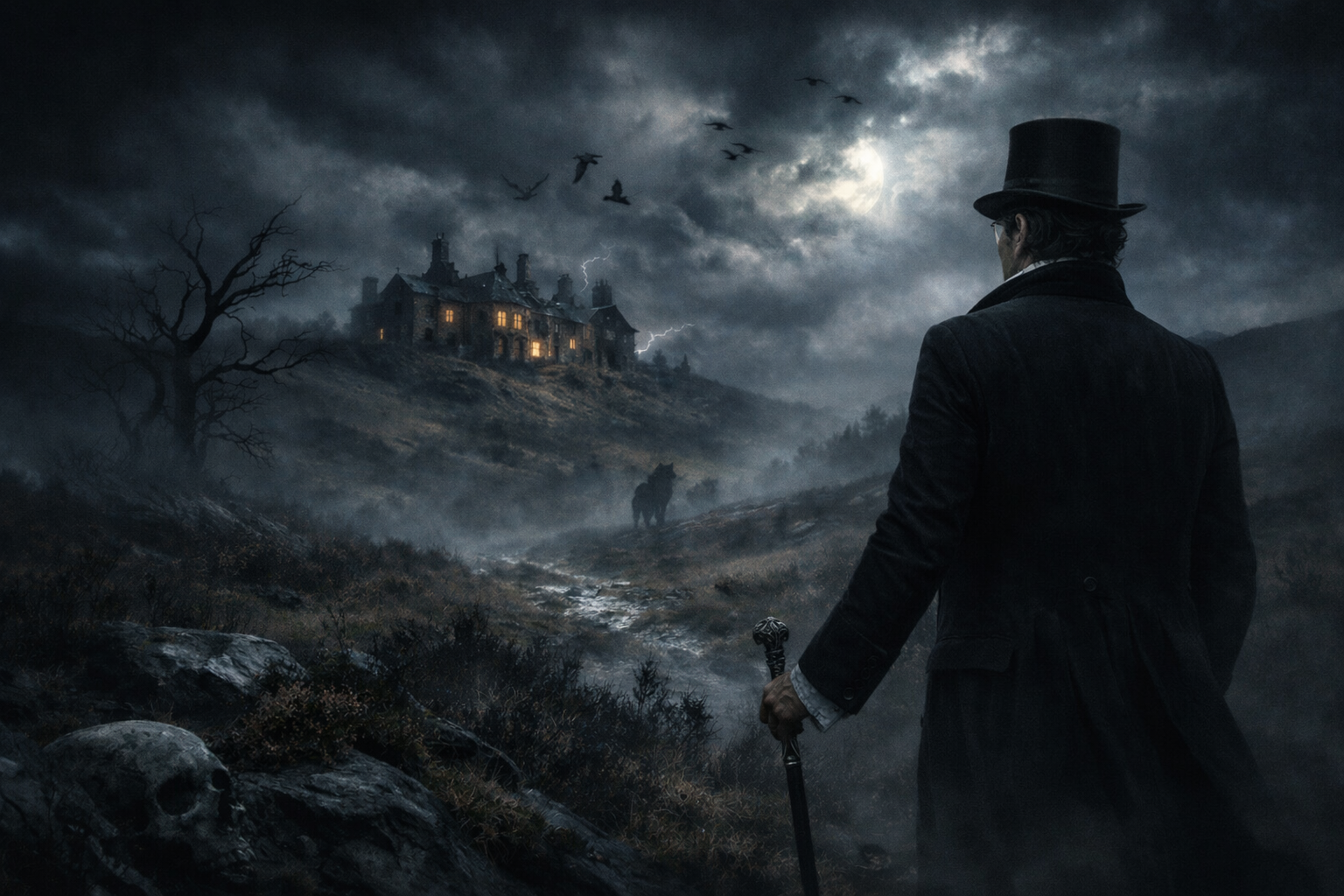
Smoke Beyond The Moors-Heathcliffe
Introduction This is not a rewriting of Wuthering Heights. It is an imagining of the silence around it. In Emily Brontë’s novel, Heathcliff arrives without history, a child from Liverpool, marked as “Gypsy,” and treated as other from the moment he steps through the door of Wuthering Heights. The text gives us fragments of who…
-
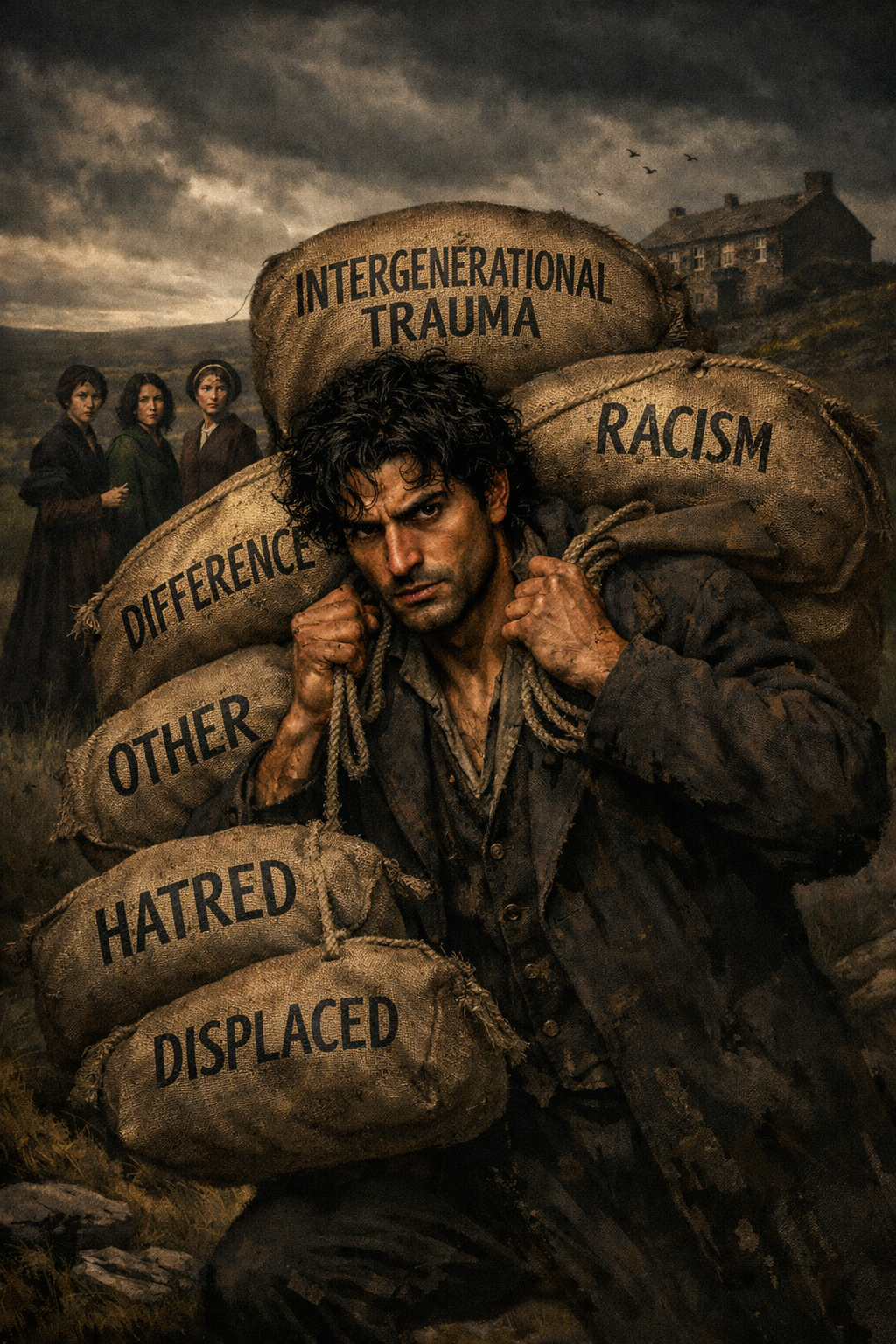
Heathcliff Was a Gypsy — and Erasing That Isn’t Radical, It’s Repetition
There is something deeply familiar about the current online narrative surrounding the new Wuthering Heights adaptation. Familiar, because Romani people have seen this move before The argument goes something like this: “Gypsy was a generic term.” Or “He was probably meant to be Black, or generally ‘other’.” Or worse: “The Brontës wouldn’t have really known…
-
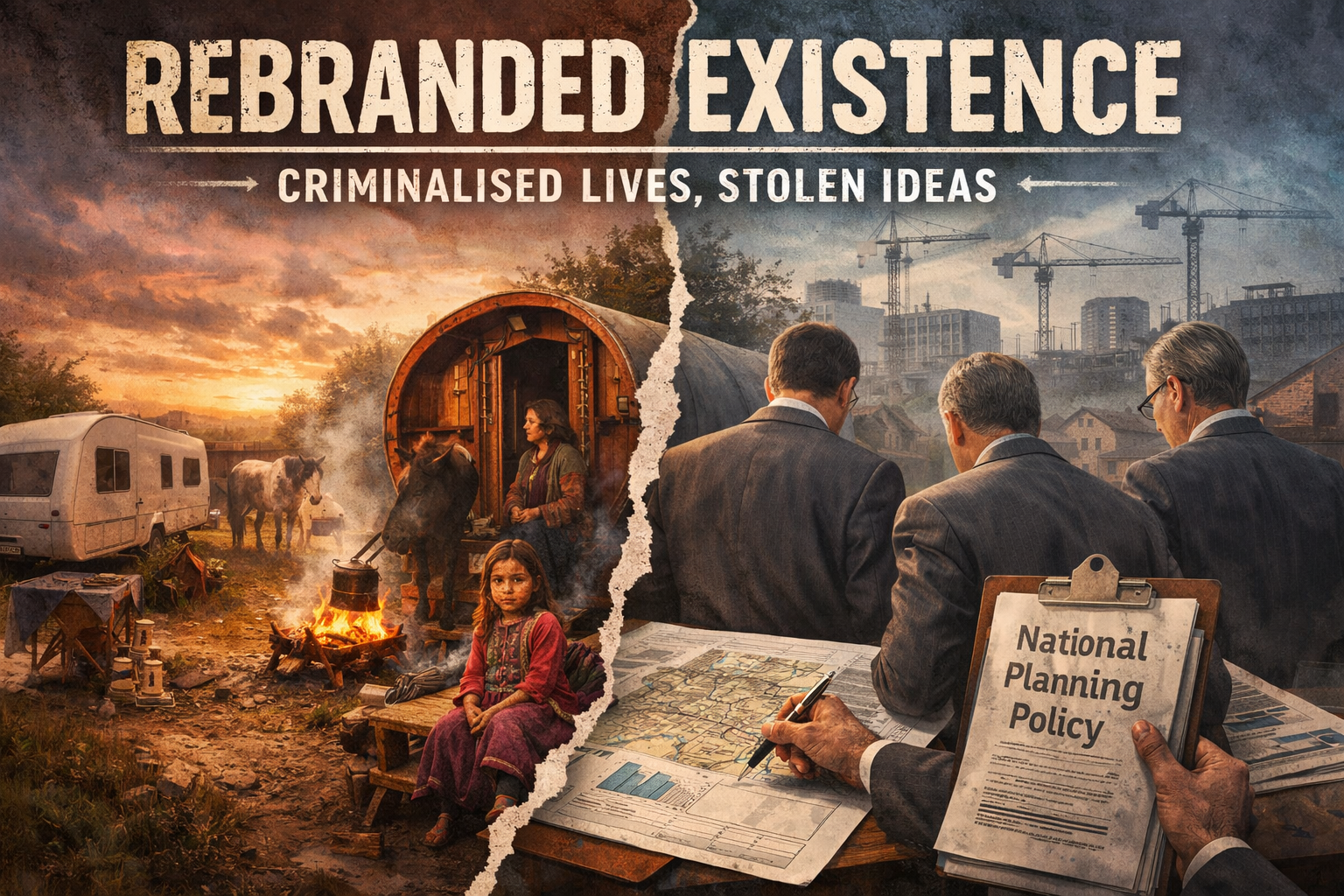
Rebranded Existence: When the State Criminalises Our Lives but Celebrates Our Idea
Tonight I spent my time writing welfare reports. Not abstract exercises, not box-ticking paperwork, but detailed accounts of how our communities actually live. I wrote about how Gypsy and Traveller communities operate intrinsically: how we form micro-communities grounded in kinship, shared responsibility, reciprocity, and deep connection to place and land. I described how care is…
-
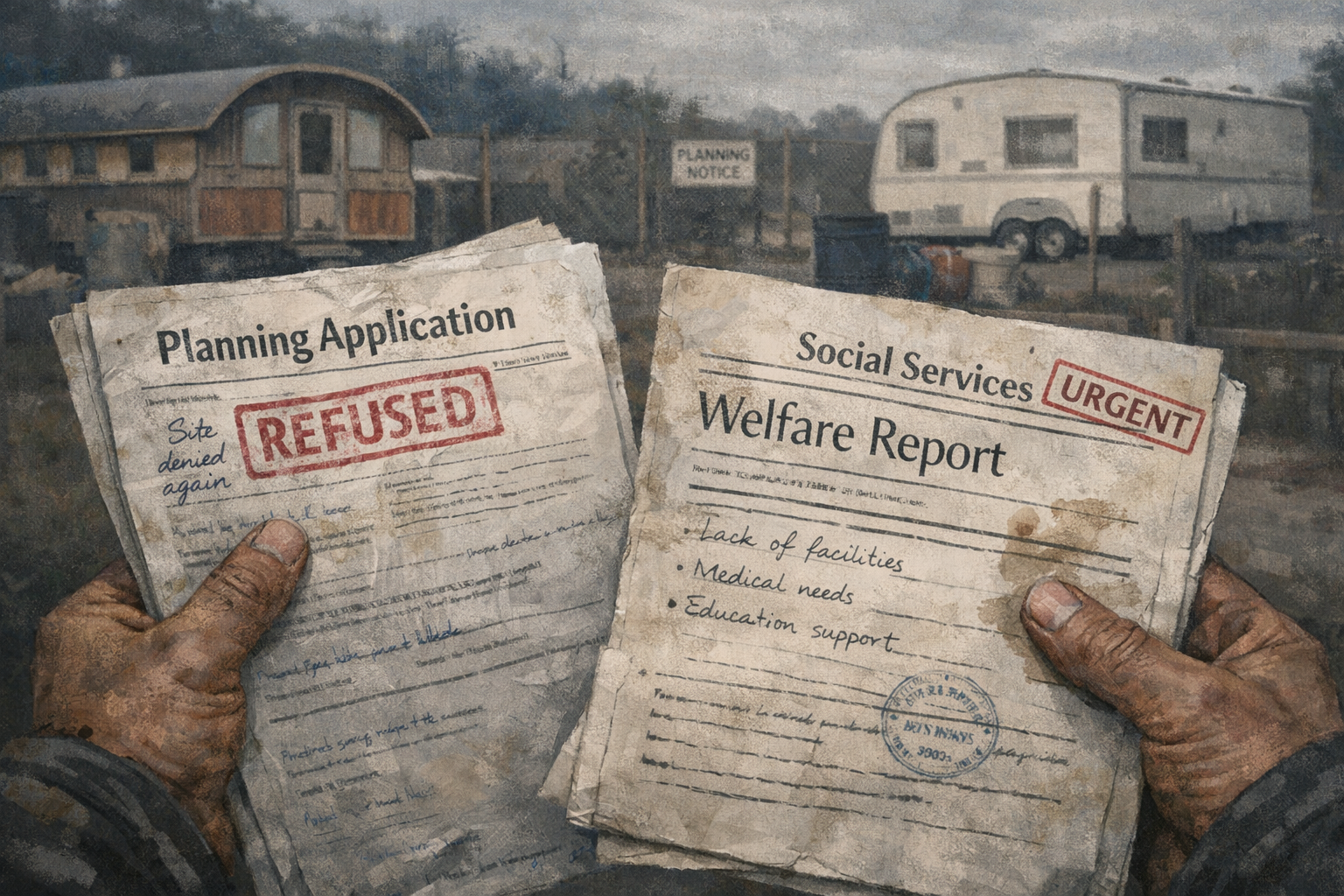
When Rules Are Only Meant To Tame Us: Power In The Pen
We’re used to hearing it. “You break the rules.”“You don’t follow the system.”“Why can’t you just do things properly?” Those comments get thrown at Gypsy & Traveller families all the time, as if exclusion is a personal failing rather than a political design. As if the rules themselves are neutral, fair, and applied equally. They…