
Find what you need
Browse by theme
- Community Voices and Stories
- Creative Work and Exhibitions
- Education and Young People
- Get Involved
- Health and Wellbeing
- Heritage, History and Culture
- PGT News, Projects and Partnerships
- Planning, Housing and Sites
- Research, Policy and Systems Change
- Rights, Racism and Justice
Browse by year
Stories, Evidence & Change
Writing, commentary, community stories, history, research, policy, creative work and reflections from Proud Gypsy Traveller.
Some pieces begin with one person’s experience. Others look at the history, evidence or systems sitting behind it. Together, they form part of a much bigger record of what our communities have lived, challenged, created and changed.
Latest
-
Found Again: A Film From Our First Proud Gypsy Traveller Exhibition
-
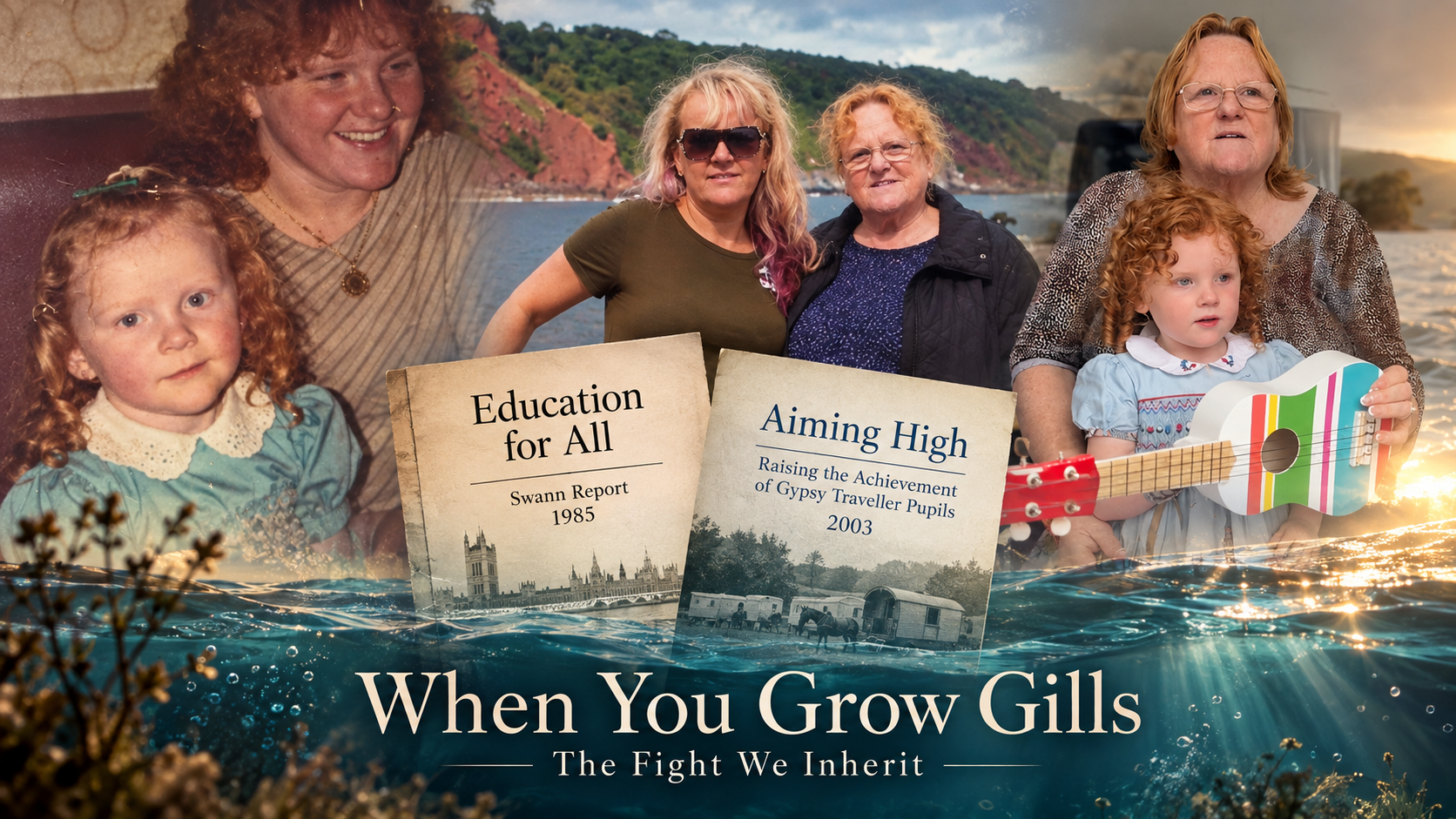
When You Grow Gills: The Fight We Inherit
-
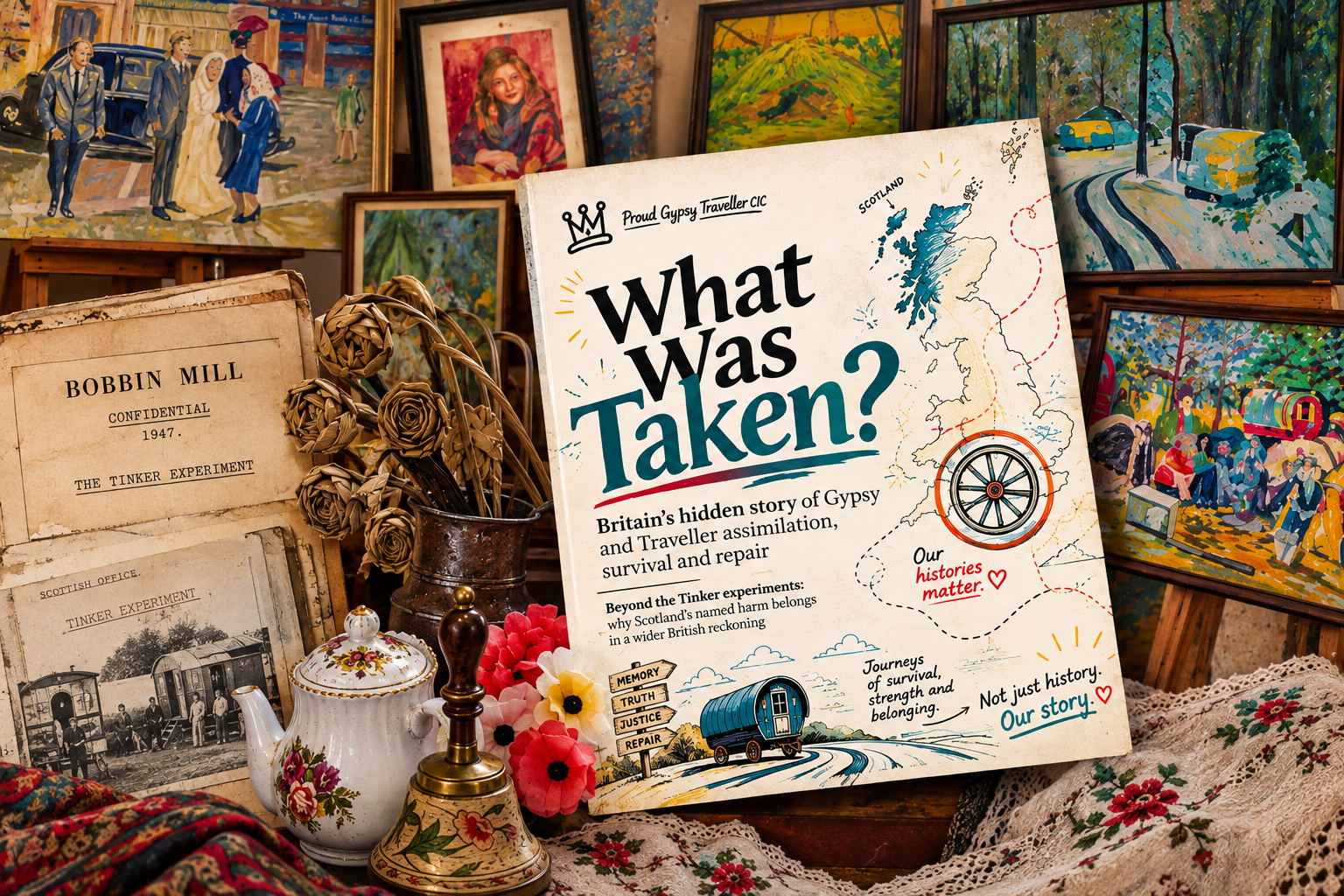
Because Roseanna Found the File: Why What Was Taken? Matters Now
-
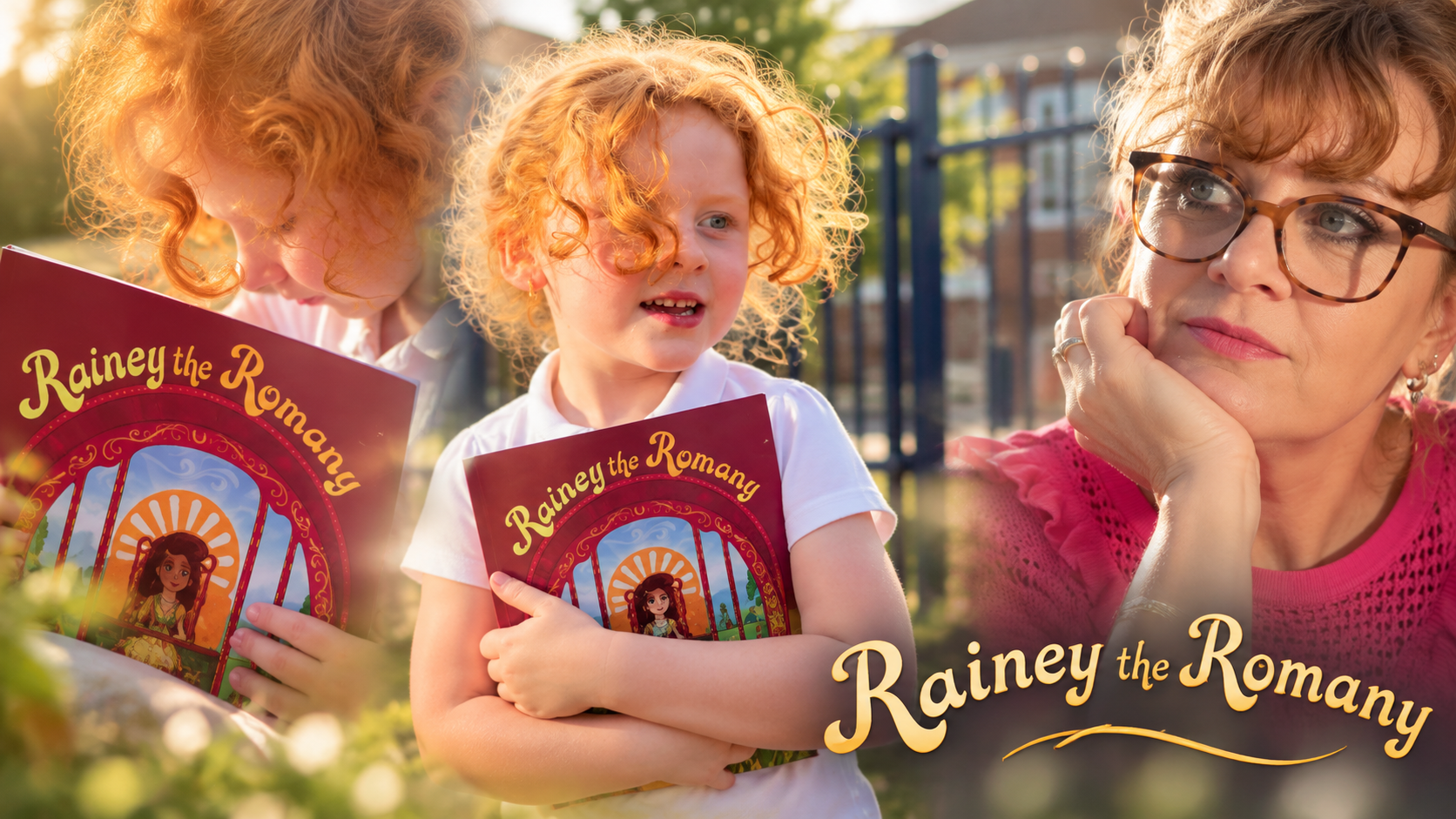
Rainey the Romany, Ringlets of Red and the Cost of Hiding
-
The Day My Six-Year-Old Didn’t Want Them to Know She Was Romany
-
Ringlets of Red — Six Years On
All writing
Browse the full published archive. Every piece remains available, from the newest writing back to the beginning of Proud Gypsy Traveller’s online archive in 2016.
-
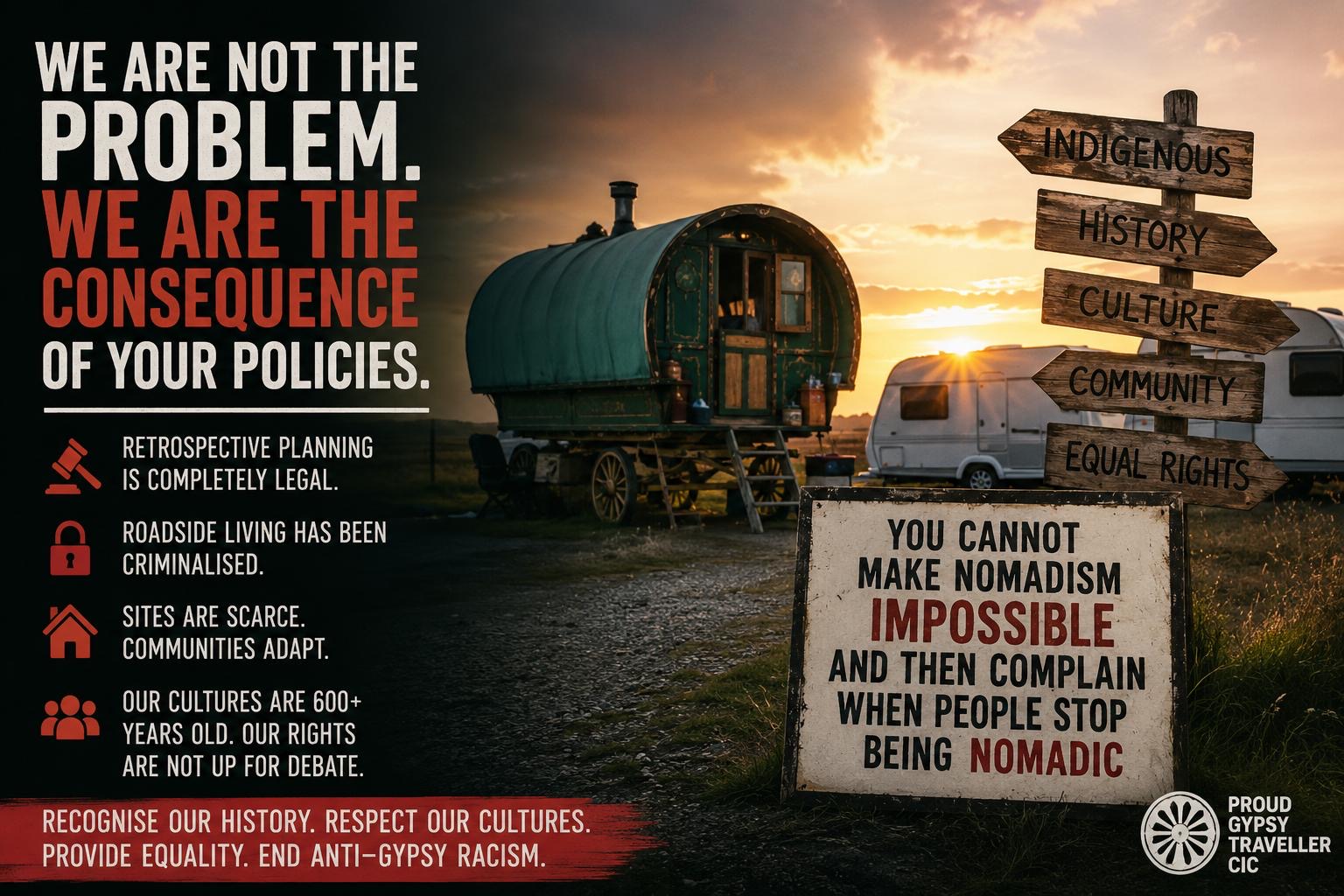
The Last Acceptable Racism?
What Kemi Badenoch’s comments reveal about Britain’s treatment of Gypsy and Traveller communities Today, I listened to comments from Kemi Badenoch regarding Gypsy and Traveller communities and policing. I should have been shocked. Instead, I found myself feeling something closer to disappointment. Not because the comments were new. Sadly, they were not. They simply repeated…
-

The Forgotten Slave Girls
We want to thank Dr Lynne Tammi-Connelly, for giving us permission to share this slice of history. We are humbled by the work carried out to bring this and other atrocities in Scotland to light! As tomorrow sees the start of GRTHM I am sharing a personal story of one of the girls from my…
-
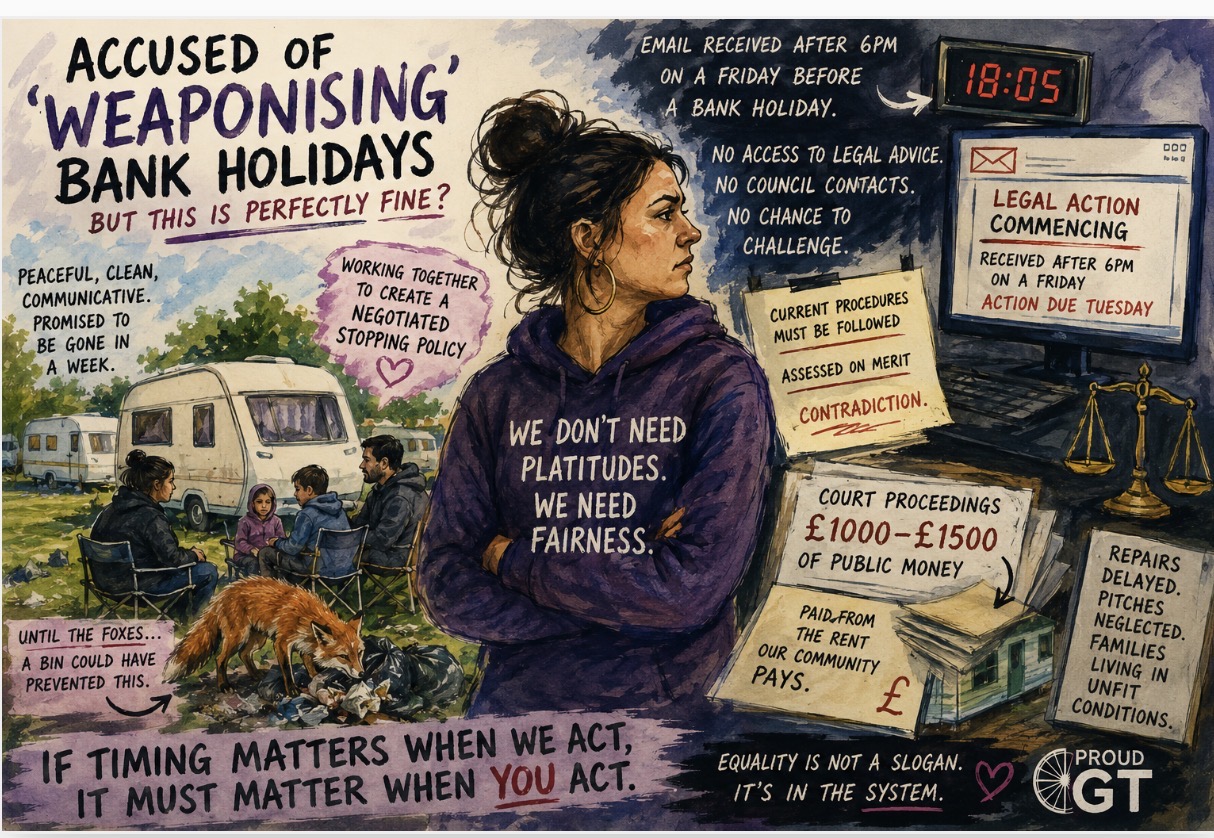
We Don’t Need Platitudes, We Need Actions
There comes a point where “we understand your concerns” stops sounding compassionate and starts sounding rehearsed. For years, Gypsy and Traveller communities have been accused of “weaponising” bank holiday weekends. The narrative is familiar. If an unauthorised development appears over a long weekend, headlines and social media commentary quickly follow. We are painted as manipulative.…
-
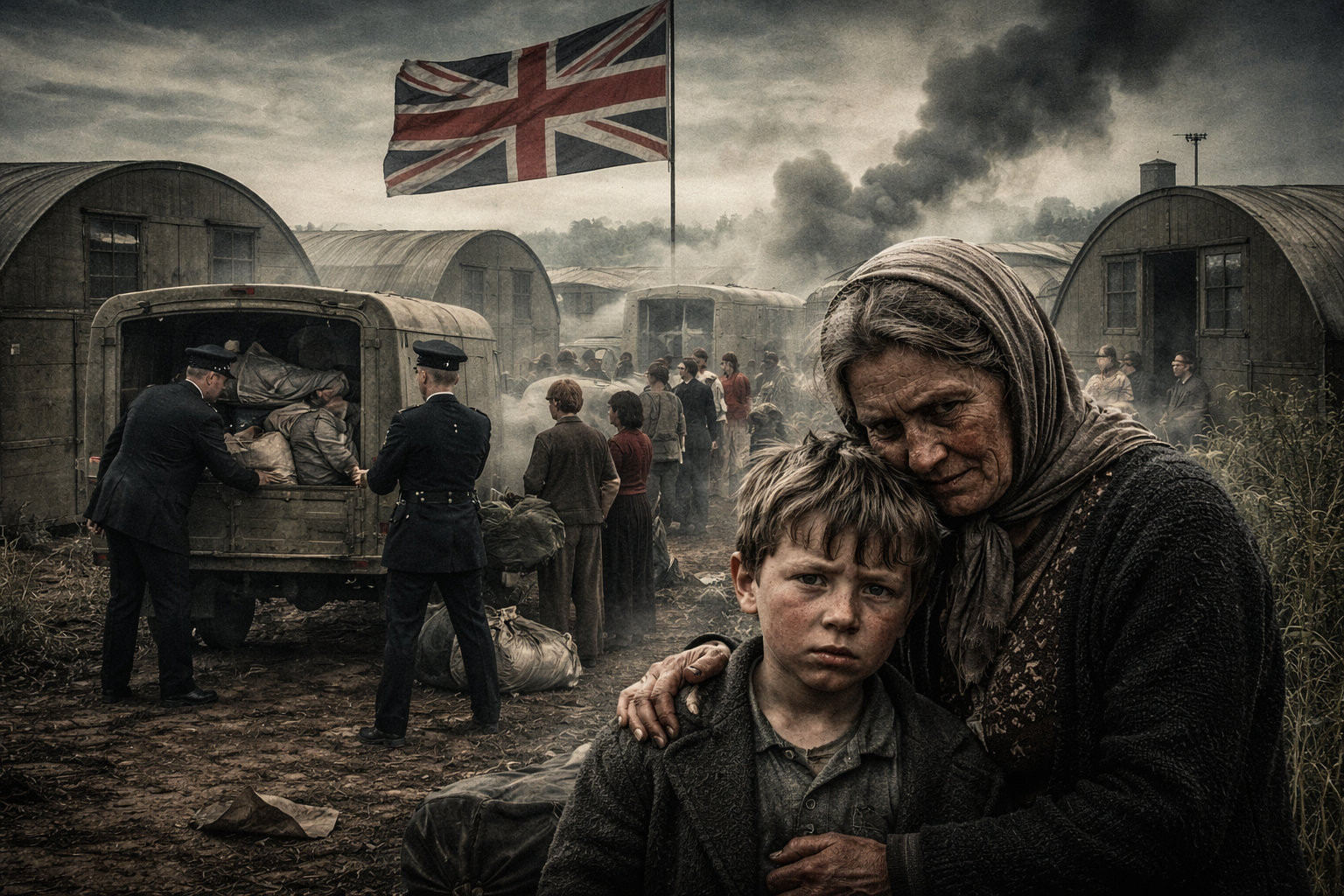
This Was Never Just a Scottish Problem, was it?
I’ve been sitting with this for a while now. Like a lot of us, I was brought up hearing bits of things — never the full story. Things half said. Things you don’t ask too many questions about. Things that sit in families but don’t get written down. I’m Romani Gypsy, with Scottish Gypsy ancestry…
-
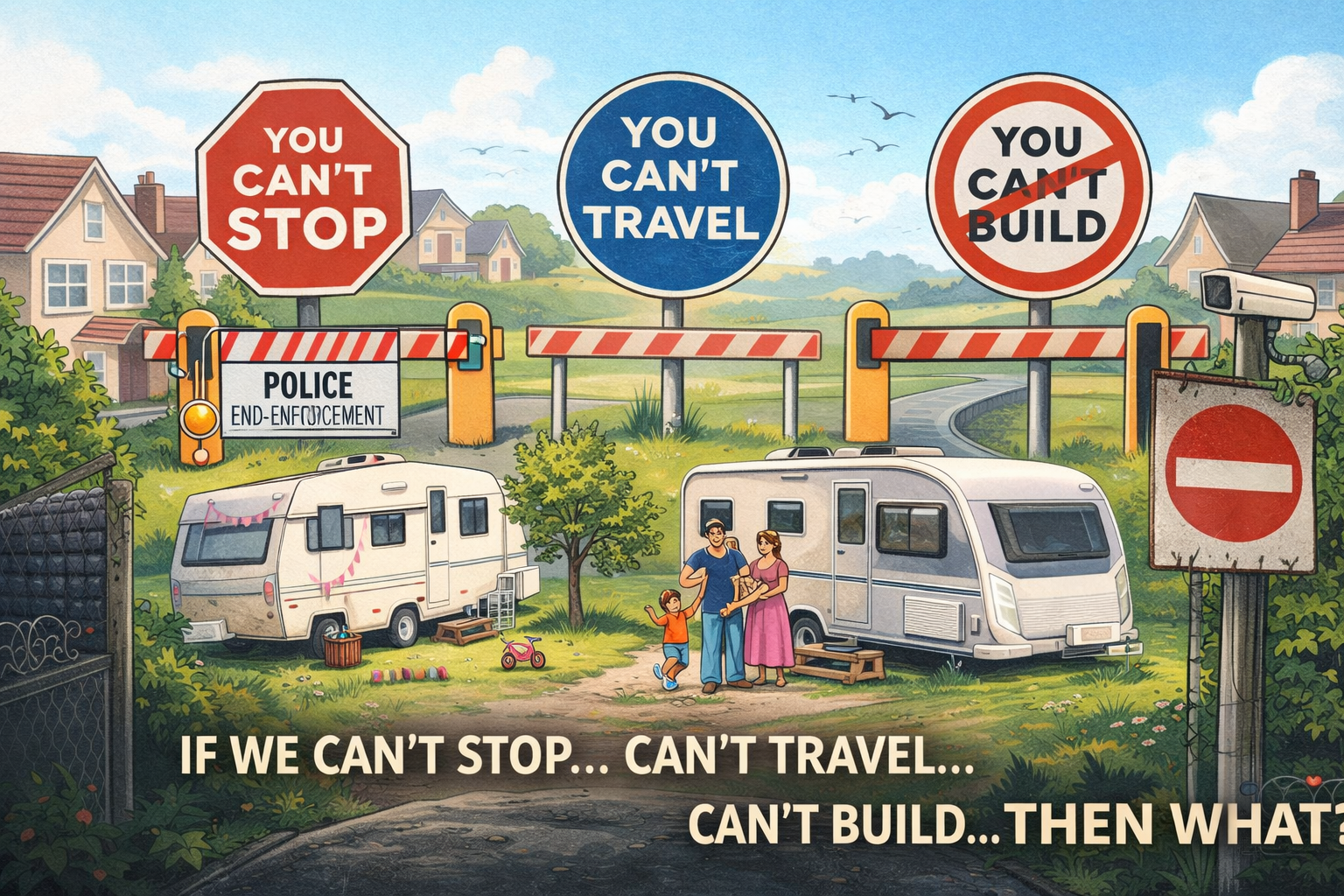
If You Won’t Let Us Stop, Won’t Let Us Travel, and Won’t Let Us Build—What Exactly Is the Plan?
I have spent years working in planning, sitting in fields, on yards, at kitchen tables, and sometimes in silence while people try to explain their lives through tears. And here is the truth, stripped of policy language and legal jargon: Gypsy and Traveller families are running out of places to exist. Not places to thrive.Not…
-

She Who Holds the Crown
A storytelling session for International Women’s Day This International Women’s Day, audiences were invited into a powerful and deeply personal storytelling experience: “She Who Holds the Crown.” The session explored the strength, humour, resilience and quiet authority of Romany Gypsy women — the women who have carried culture, memory and survival through centuries of change,…
-
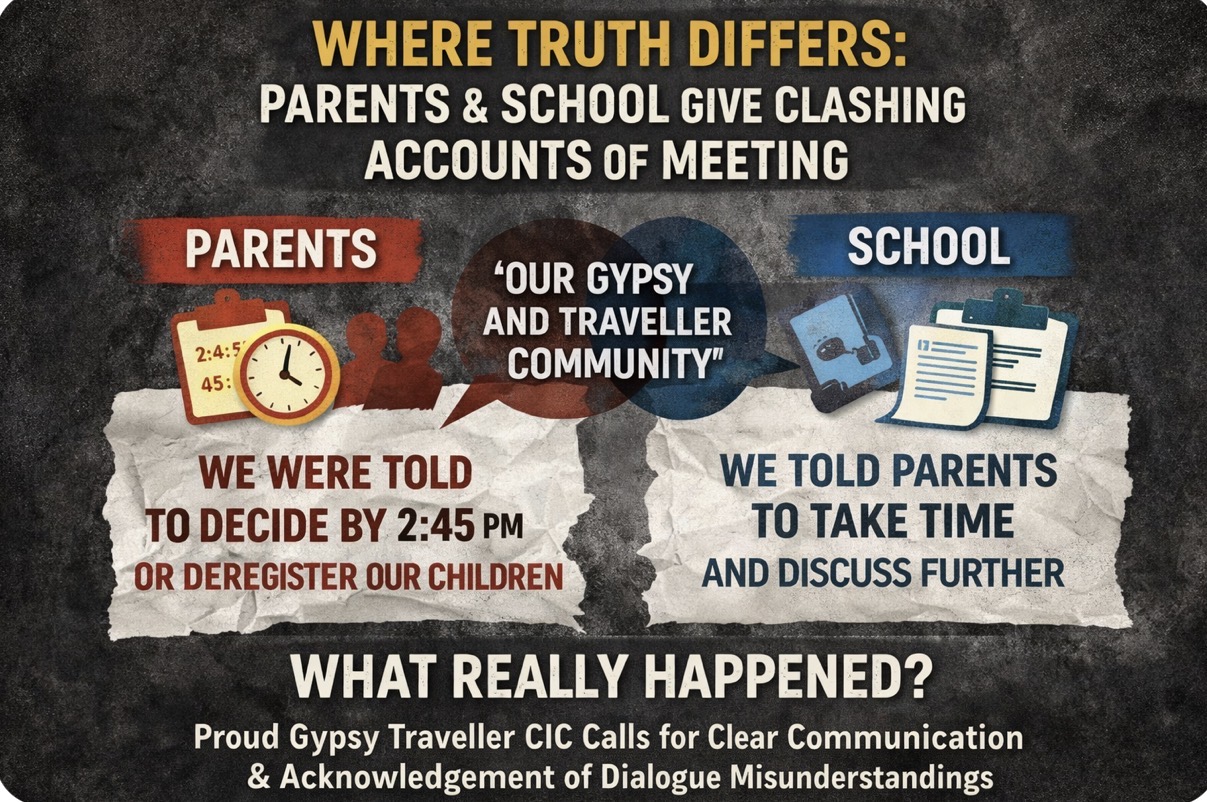
Two Versions of the Same Meeting: When Schools and Gypsy & Traveller Parents Leave With Different Stories
Today the school has responded to us directly, explaining that the meeting was intended to discuss upcoming curriculum changes relating to Protected Characteristics within the Relationships Education curriculum and to begin a conversation with parents ahead of implementation planned for September 2026. Yesterday we published a blog after several ethnic Gypsy and Traveller parents contacted Proud Gypsy Traveller…
-
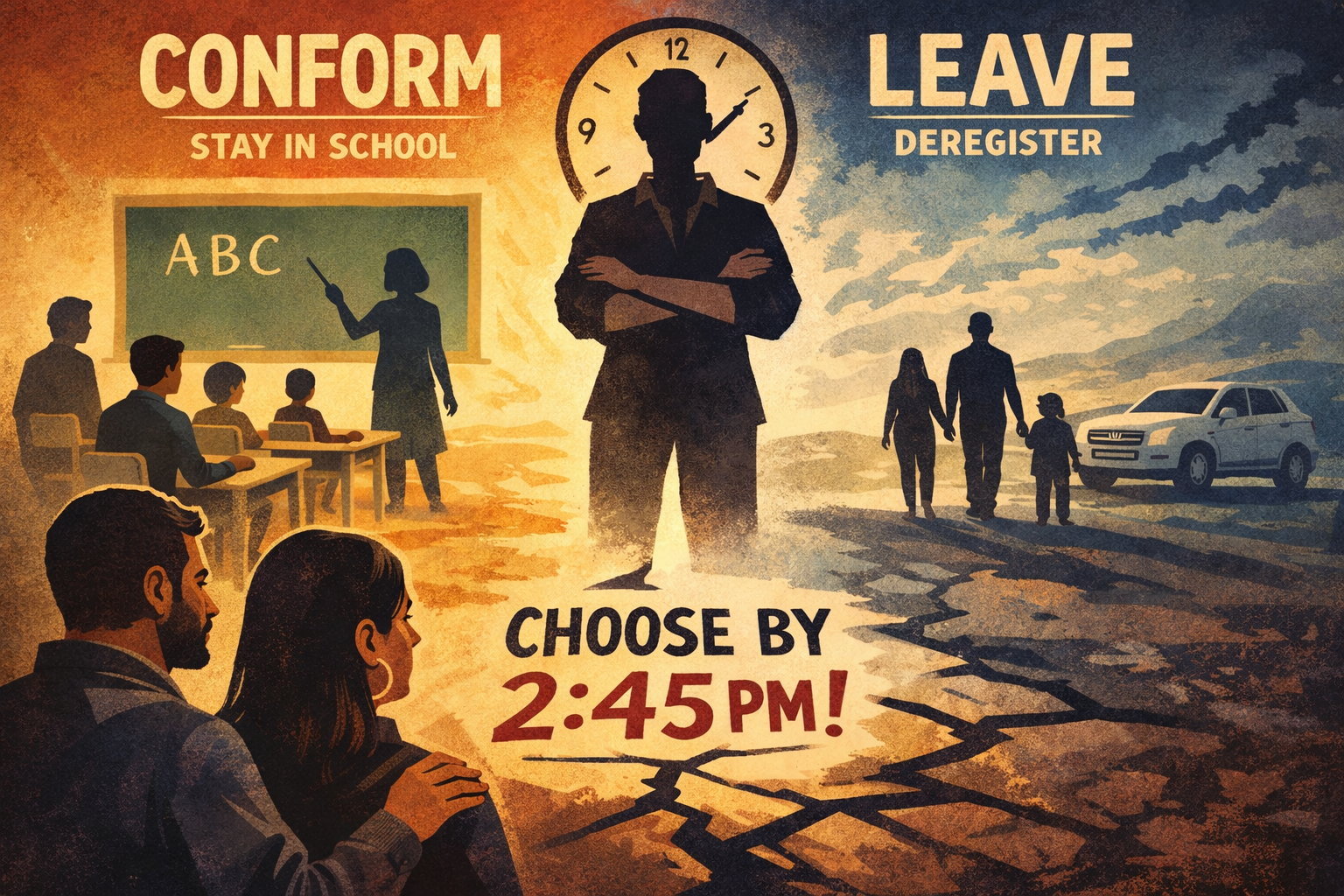
When “Choice” Isn’t Really a Choice
“Choose by 2:45pm”: Gypsy and Traveller Parents Given Hours to Decide Over School Lessons” This morning a number of ethnic Gypsy and Traveller parents contacted us after being called into a meeting at their children’s school. What they describe should concern anyone who believes in respectful engagement between schools and families. Parents were reportedly brought…
-
Not Just a Toolkit: Taking Gypsy & Traveller Experiences Into Different Rooms
A small crisis-planning commission gave us a chance to take Gypsy & Traveller experiences into different conversations about power, planning, identity and systems — and potentially build new allies.
-
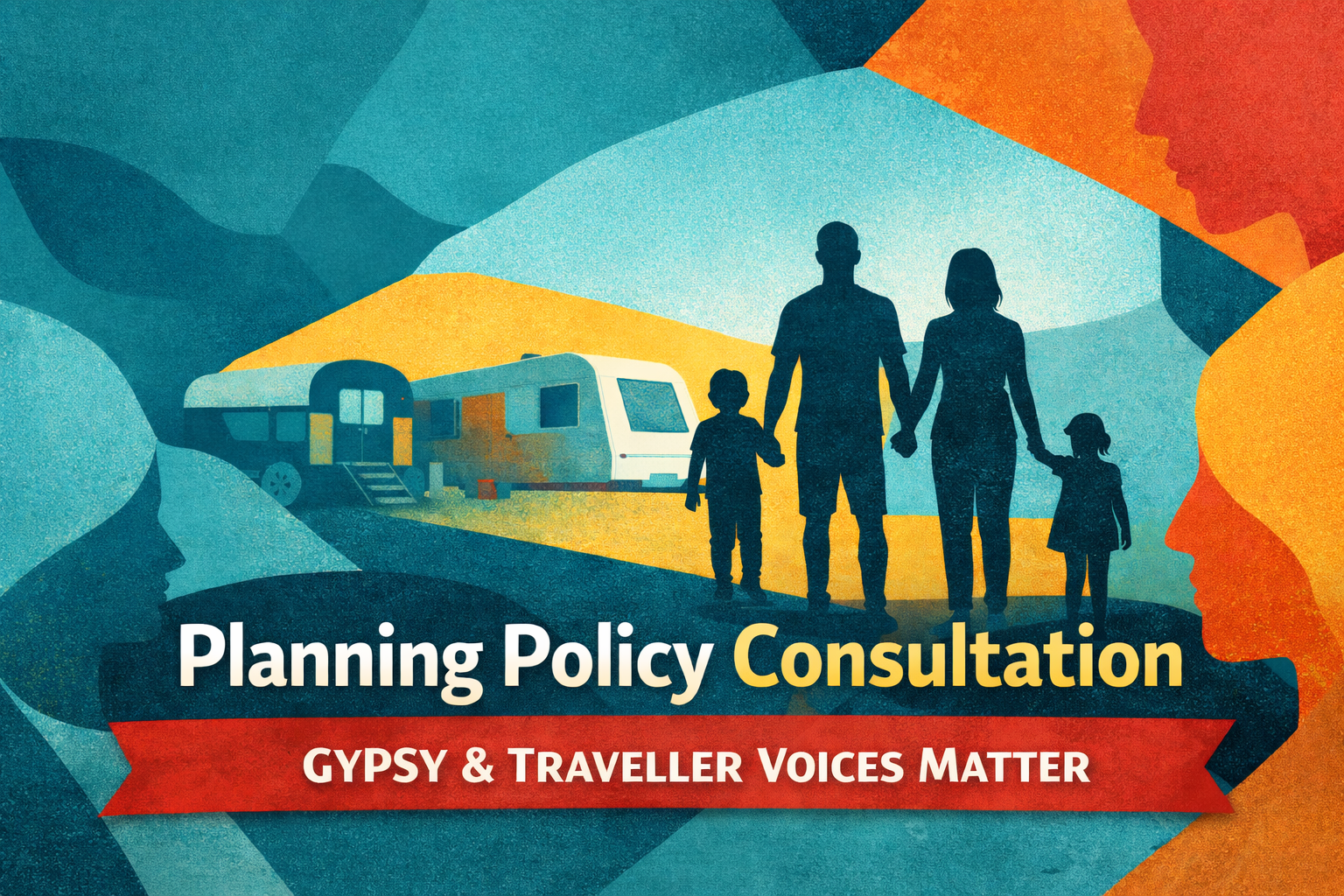
Planning Policy is Being Rewritten. Gypsy & Traveller Voices Must Be Heard.
Right now, the Government is consulting on changes to the National Planning Policy Framework (NPPF). That might sound technical, but the reality is simple: Planning policy decides whether Gypsy and Traveller families can have a lawful place to live. For decades our communities have been caught in a cycle: • there are not enough authorised…
-
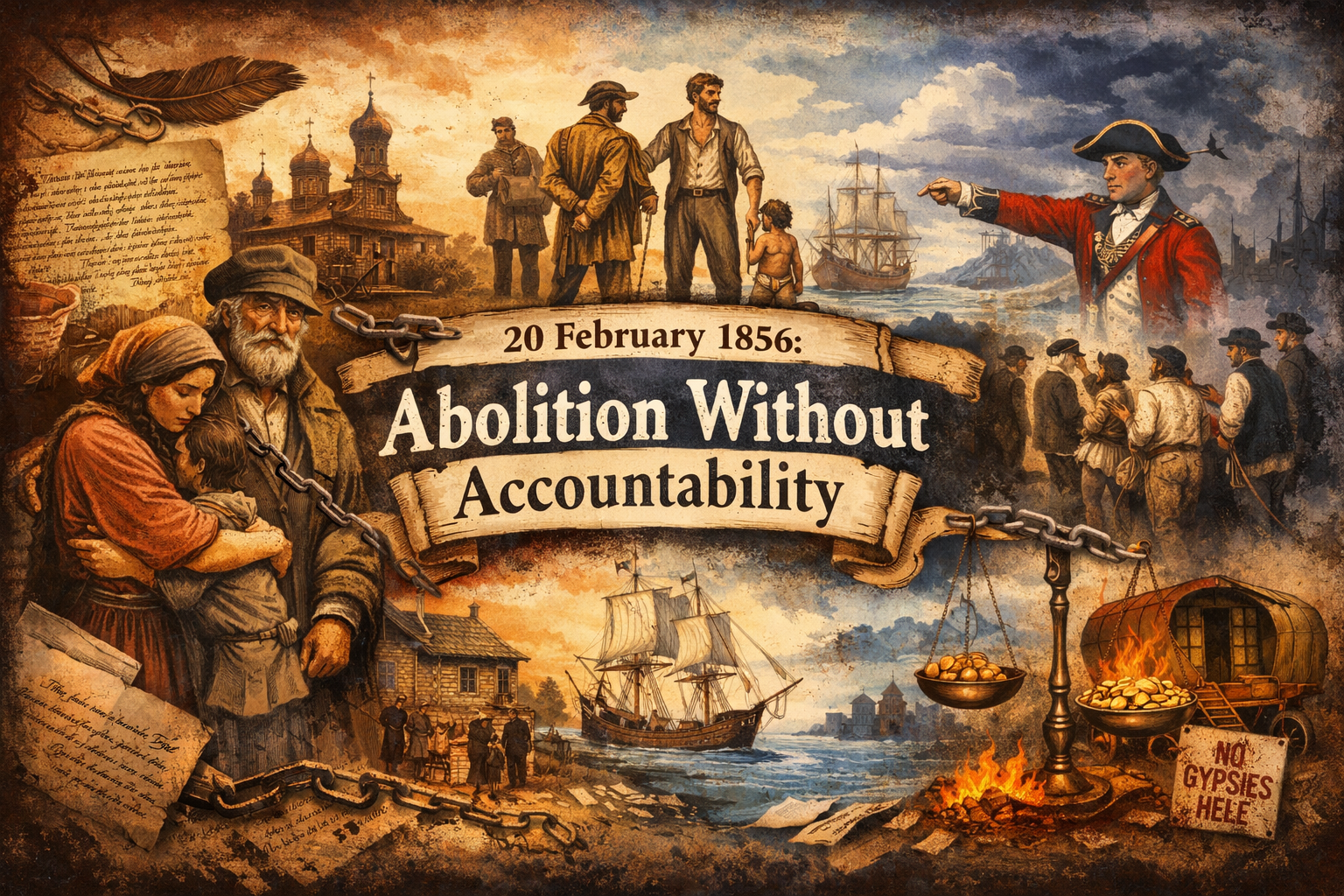
20 February 1856: Abolition Without Accountability
20 February 1856.In the Romanian Principalities of Wallachia and Moldavia, nearly 500 years of enslavement formally ended. Between 1385 and 1856, Romani people were legally treated as property. They were owned by monasteries, noble families and the state. They were sold. They were inherited. They were separated from their children. Their labour sustained estates, institutions…
-
No Man’s Land” — and the Stories We Were Told
I was told my whole life that I was English. English Gypsy. It wasn’t said harshly. It wasn’t said defensively. It was simply offered as fact, the way families hand down recipes or habits or certain turns of phrase. It was part of who we were. We were English. And yet, there were the trips…