
Find what you need
Browse by theme
- Community Voices and Stories
- Creative Work and Exhibitions
- Education and Young People
- Get Involved
- Health and Wellbeing
- Heritage, History and Culture
- PGT News, Projects and Partnerships
- Planning, Housing and Sites
- Research, Policy and Systems Change
- Rights, Racism and Justice
Browse by year
Tag: Cultural erasure
-
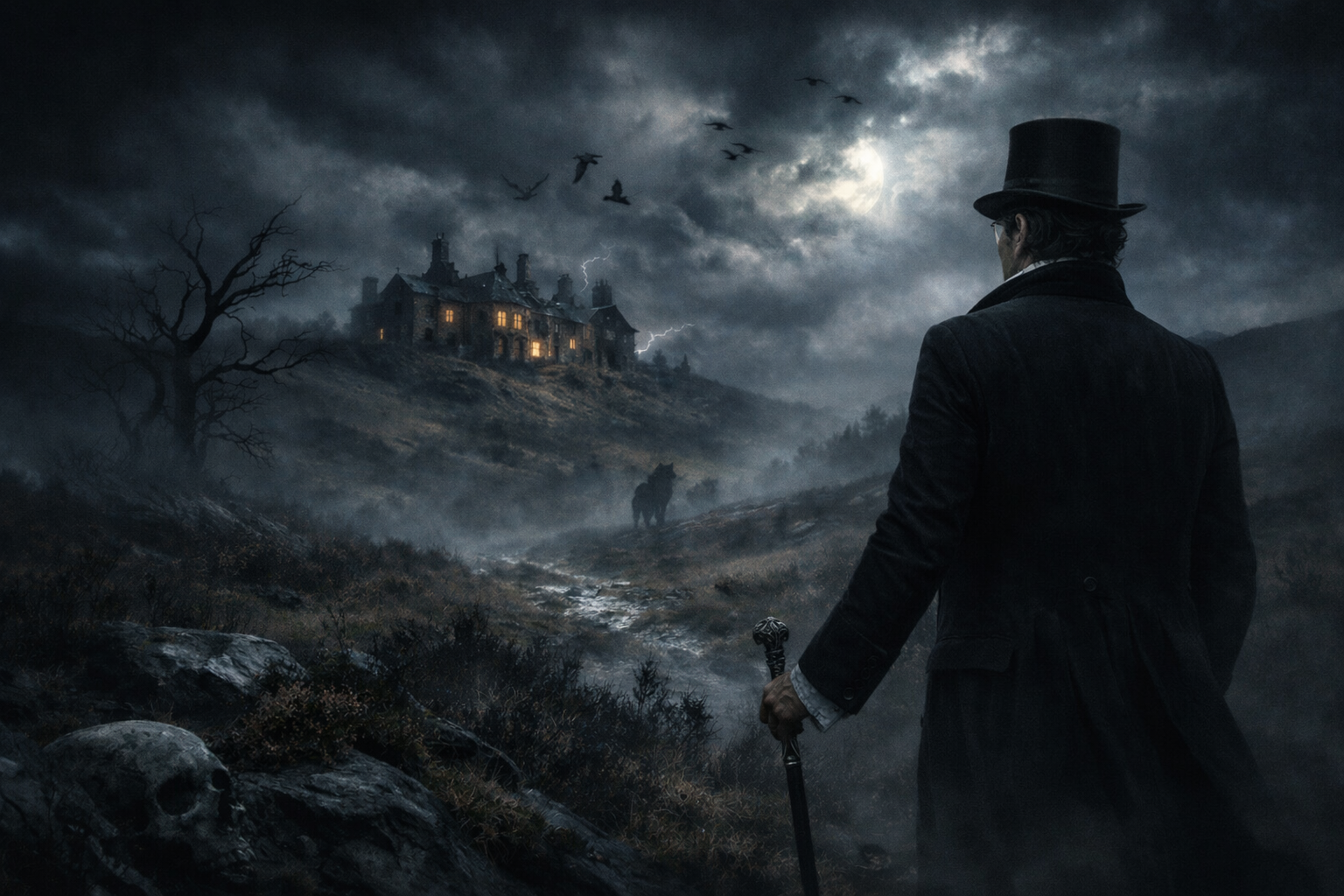
Smoke Beyond the Moor: Heathcliff’s Lost Heritage
Author’s note This expanded reimagining grew from my earlier piece, Smoke Beyond the Moor — Heathcliff. The original remains on the site as it was written. This version keeps the same premise, but gives Heathcliff more room to think, remember and discover what may have been hidden from him. This is not presented as Emily…
-
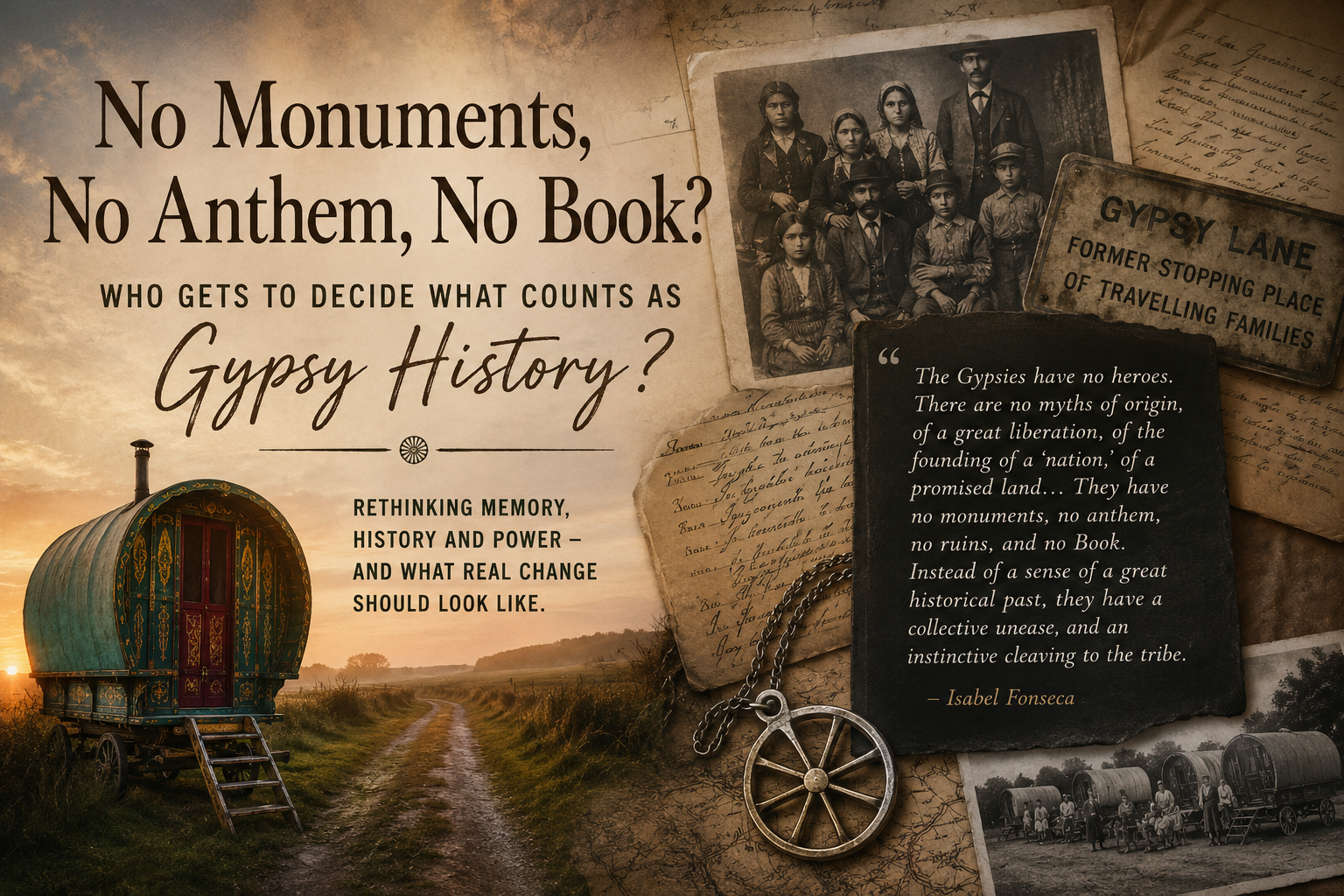
No Monuments, No Anthem, No Book? Who Gets to Decide What Counts as Gypsy History?
I came across a quote that I haven’t been able to leave alone. its one of those that keeps swirling around in my head It is from Isabel Fonseca, whose Bury Me Standing: The Gypsies and Their Journey was published in the mid-1990s. She writes: “The Gypsies have no heroes. There are no myths of…
-
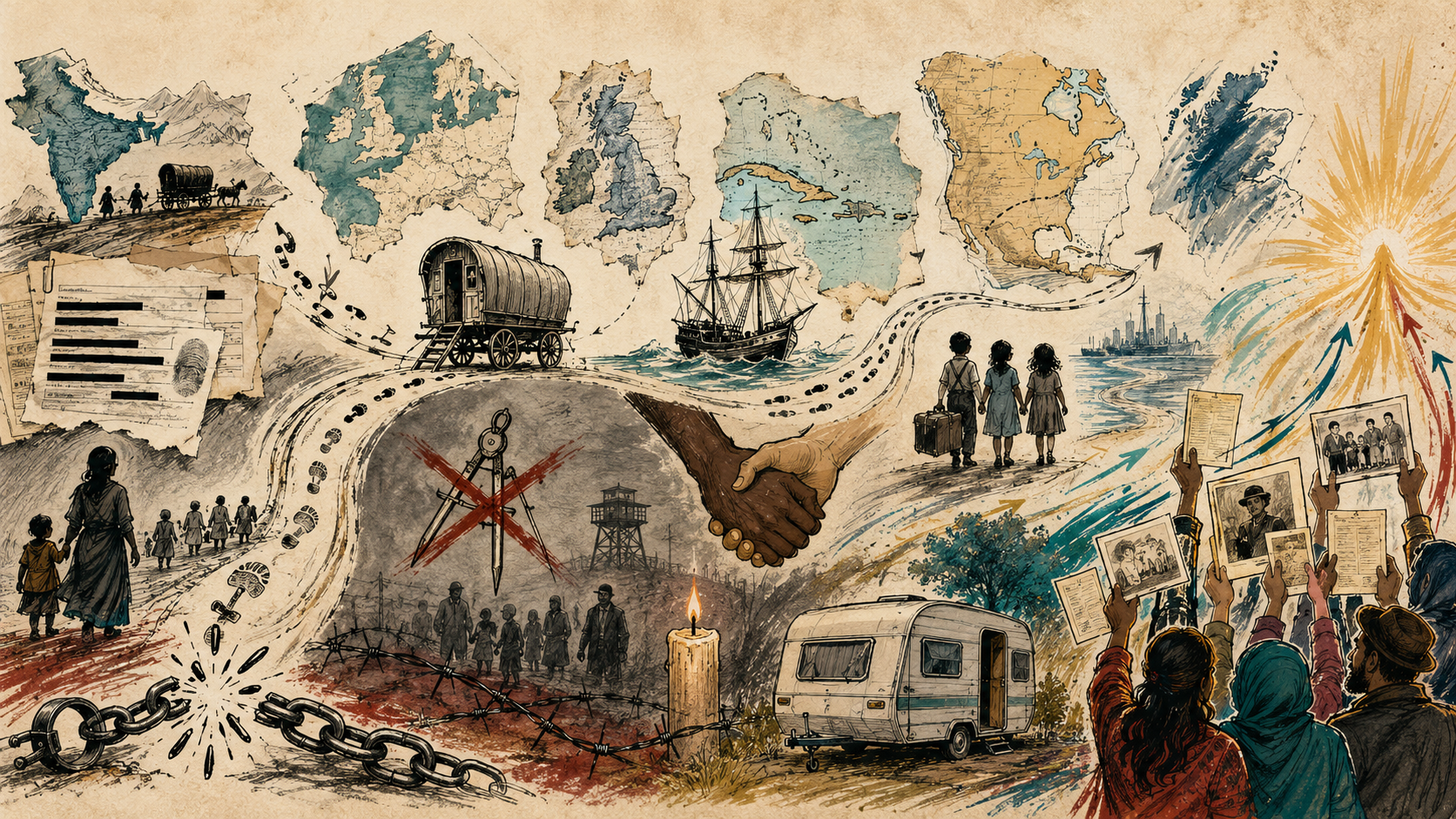
Gypsy and Traveller History: Slavery, Persecution and Survival
I am currently working through the Proud Gypsy Traveller website, page by page, reviewing what we have written and deciding what needs updating. When I reached our original timeline, I realised how much has changed—not only in the evidence now available, but in my own ability to research it. I now know how to follow…
-
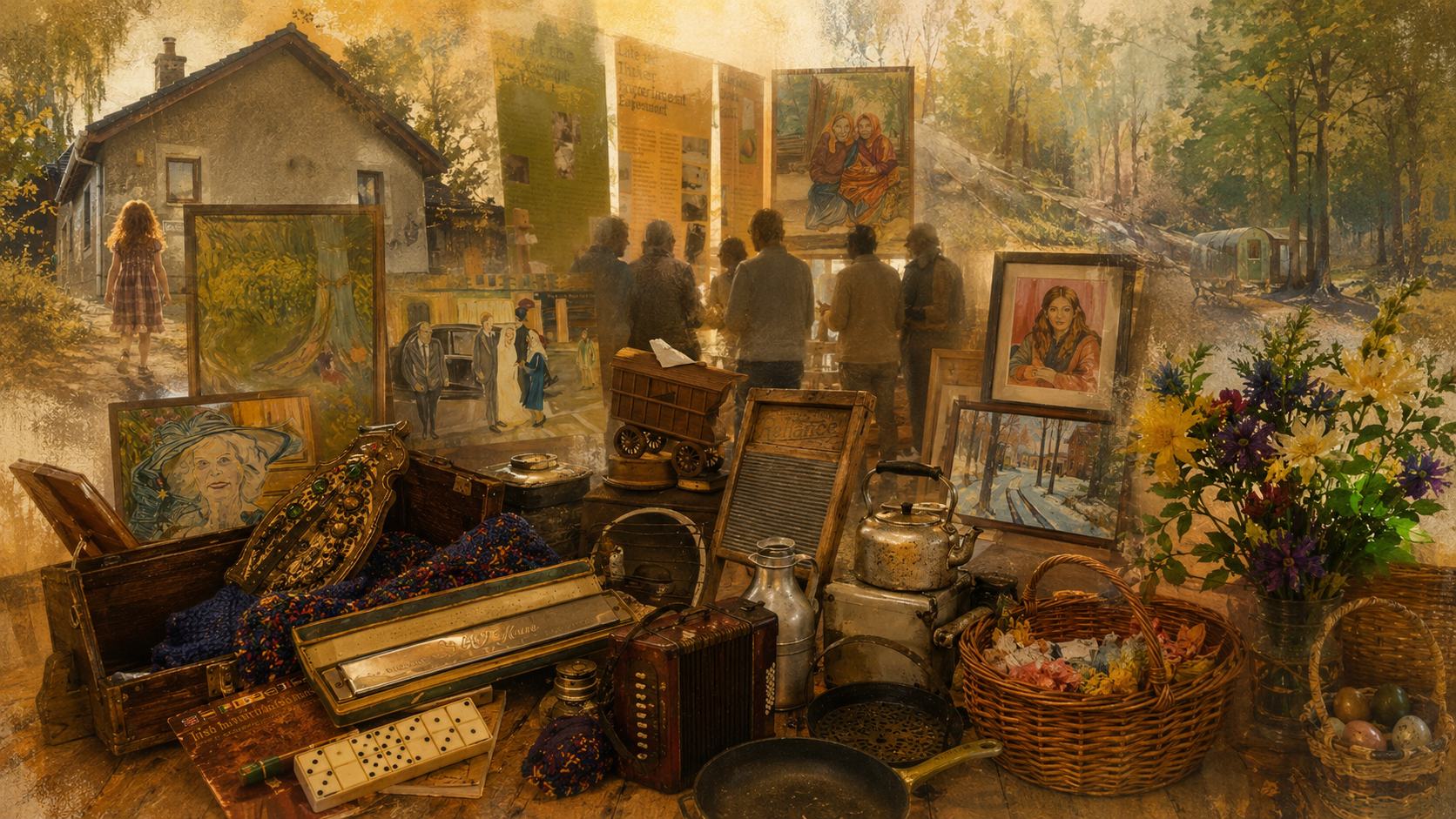
The Tinker Experiment: Why Did It Happen, What Happened—and Why Should We All Know About It?
For generations, Scottish Gypsy Travellers were pushed from the road, separated from their children and placed in isolated, substandard settlements. This is not only a story about the past. Its consequences are still being lived today. By Violet Cannon, Proud Gypsy Traveller CIC A man appeared to have wandered into the exhibition almost by accident.…
-
Nackens Now and Then: The History Scotland Tried to Hide
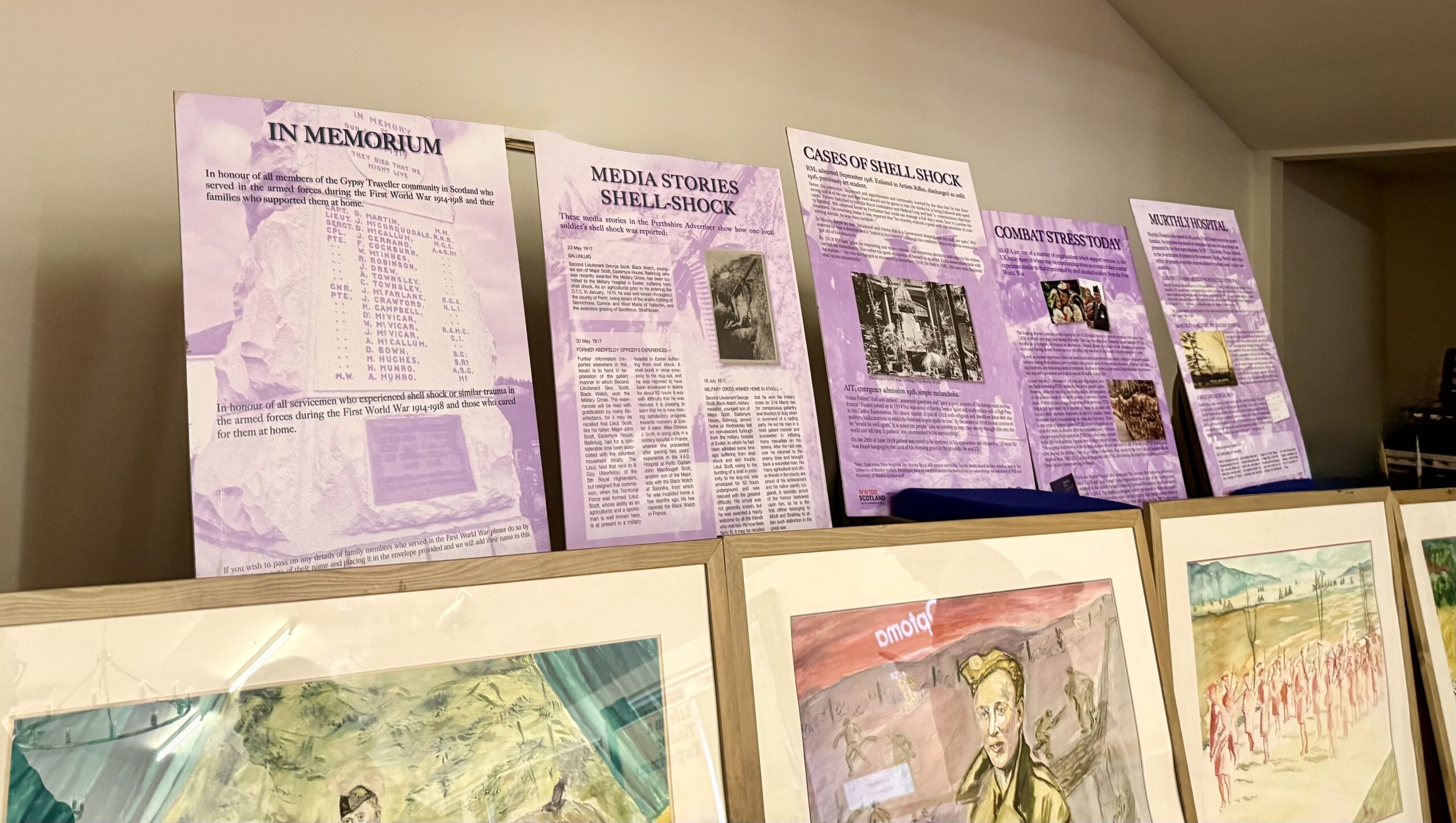
Art, archives, war heroes and a family refusing to be forgotten On Friday 26 June, I attended Nackens Now and Then at Killiecrankie Village Hall, near Pitlochry. David McPhee, a member of Perth and Kinross Council staff—and, as far as we are aware, no direct relation to Shamus and Roseanna McPhee—opened the event to a standing-room-only audience.…
-

The Forgotten Slave Girls
We want to thank Dr Lynne Tammi-Connelly, for giving us permission to share this slice of history. We are humbled by the work carried out to bring this and other atrocities in Scotland to light! As tomorrow sees the start of GRTHM I am sharing a personal story of one of the girls from my…
-
This Was Never Just a Scottish Problem, was it?
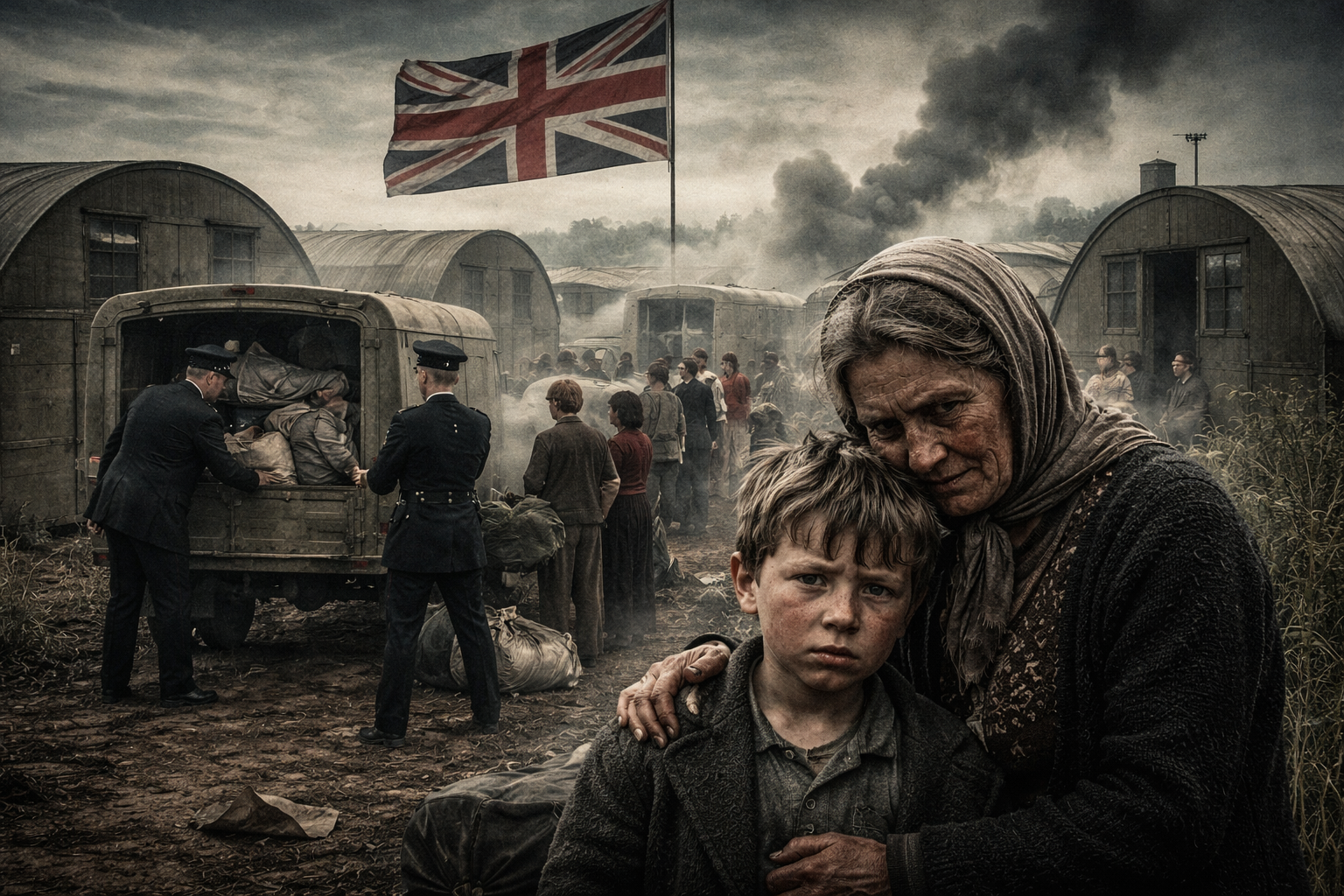
I’ve been sitting with this for a while now. Like a lot of us, I was brought up hearing bits of things — never the full story. Things half said. Things you don’t ask too many questions about. Things that sit in families but don’t get written down. I’m Romani Gypsy, with Scottish Gypsy ancestry…
-
20 February 1856: Abolition Without Accountability
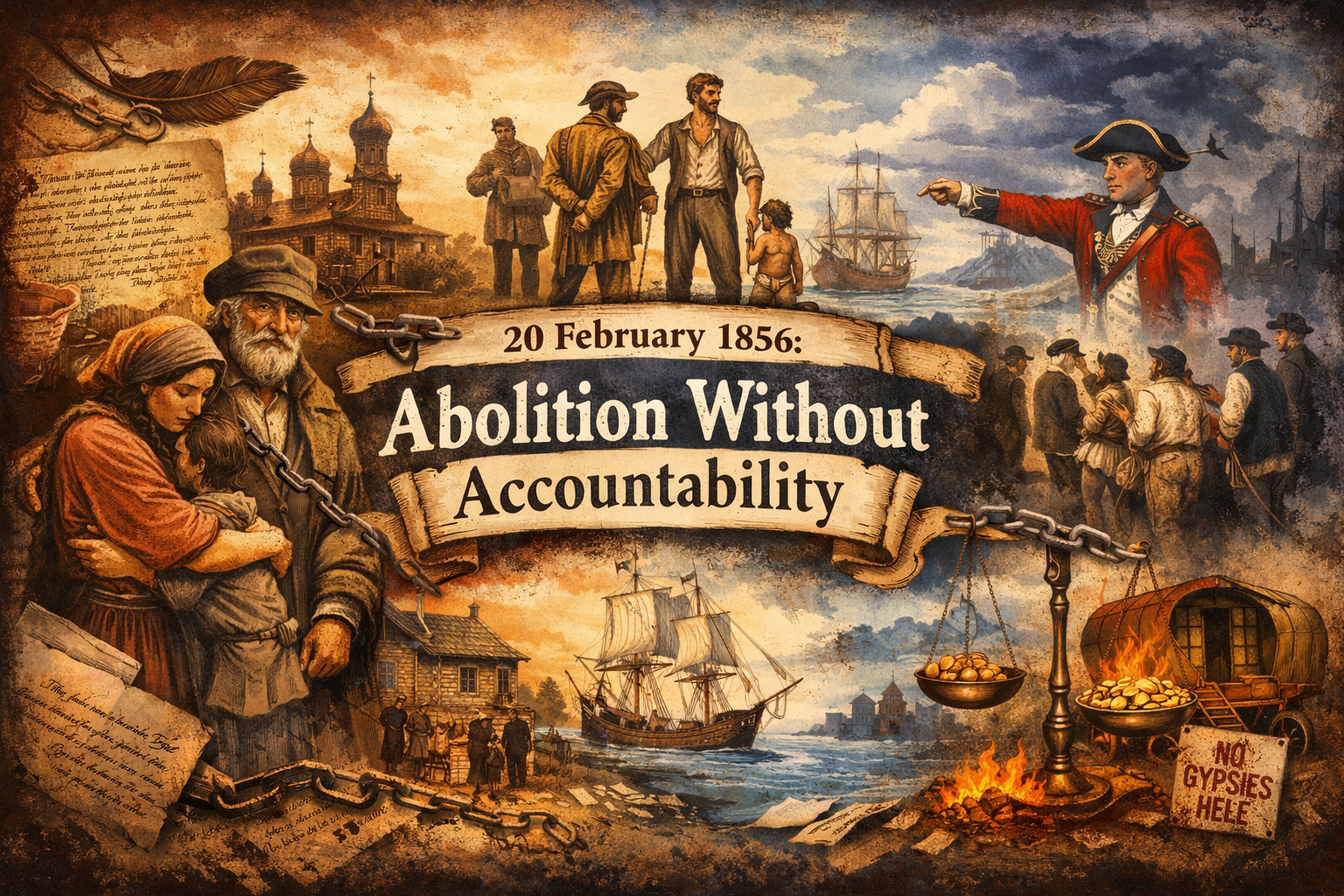
20 February 1856.In the Romanian Principalities of Wallachia and Moldavia, nearly 500 years of enslavement formally ended. Between 1385 and 1856, Romani people were legally treated as property. They were owned by monasteries, noble families and the state. They were sold. They were inherited. They were separated from their children. Their labour sustained estates, institutions…
-
Smoke Beyond The Moors-Heathcliffe
Introduction This is not a rewriting of Wuthering Heights. It is an imagining of the silence around it. In Emily Brontë’s novel, Heathcliff arrives without history, a child from Liverpool, marked as “Gypsy,” and treated as other from the moment he steps through the door of Wuthering Heights. The text gives us fragments of who…
-
Heathcliff Was a Gypsy — and Erasing That Isn’t Radical, It’s Repetition
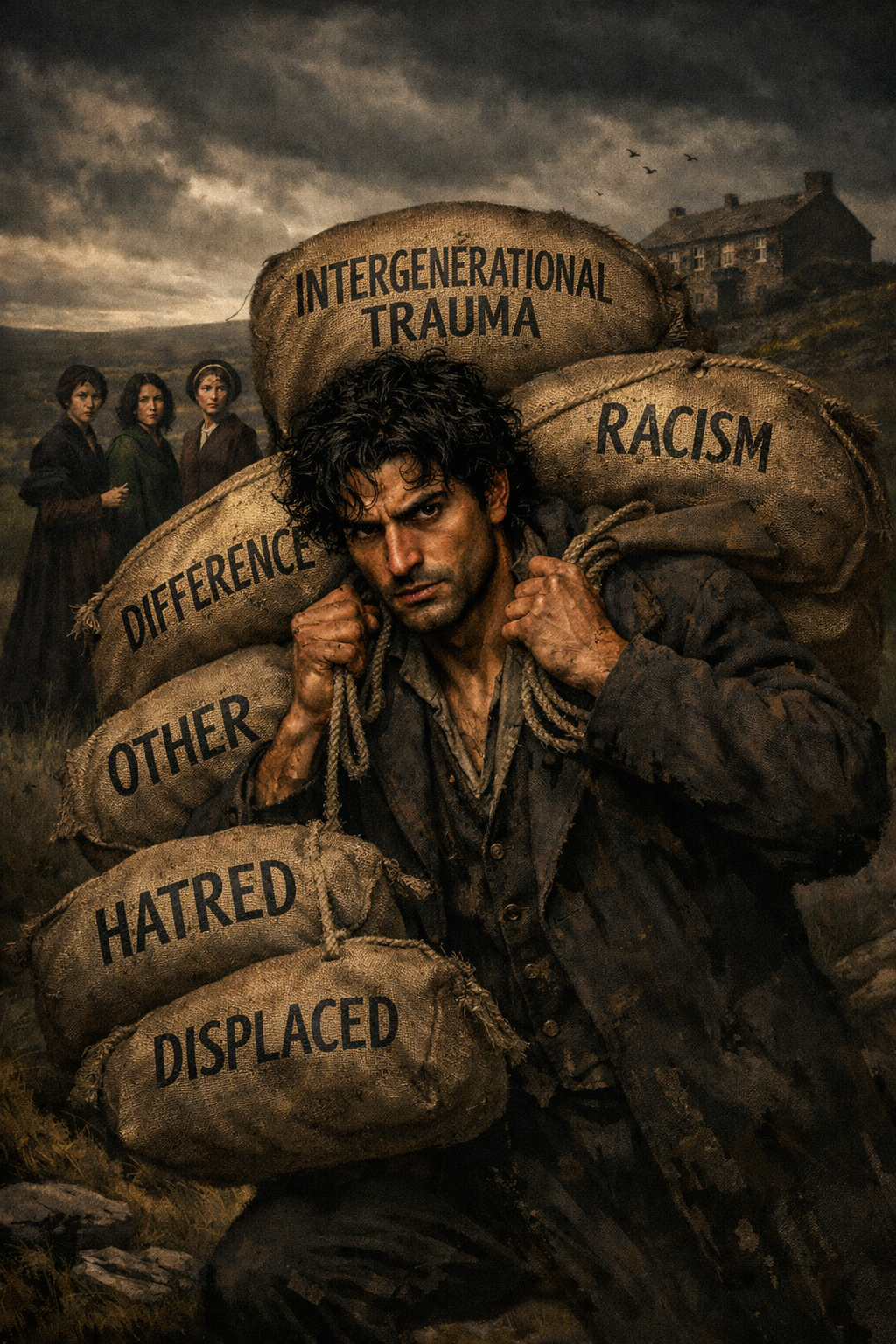
There is something deeply familiar about the current online narrative surrounding the new Wuthering Heights adaptation. Familiar, because Romani people have seen this move before The argument goes something like this: “Gypsy was a generic term.” Or “He was probably meant to be Black, or generally ‘other’.” Or worse: “The Brontës wouldn’t have really known…